Financing Guide
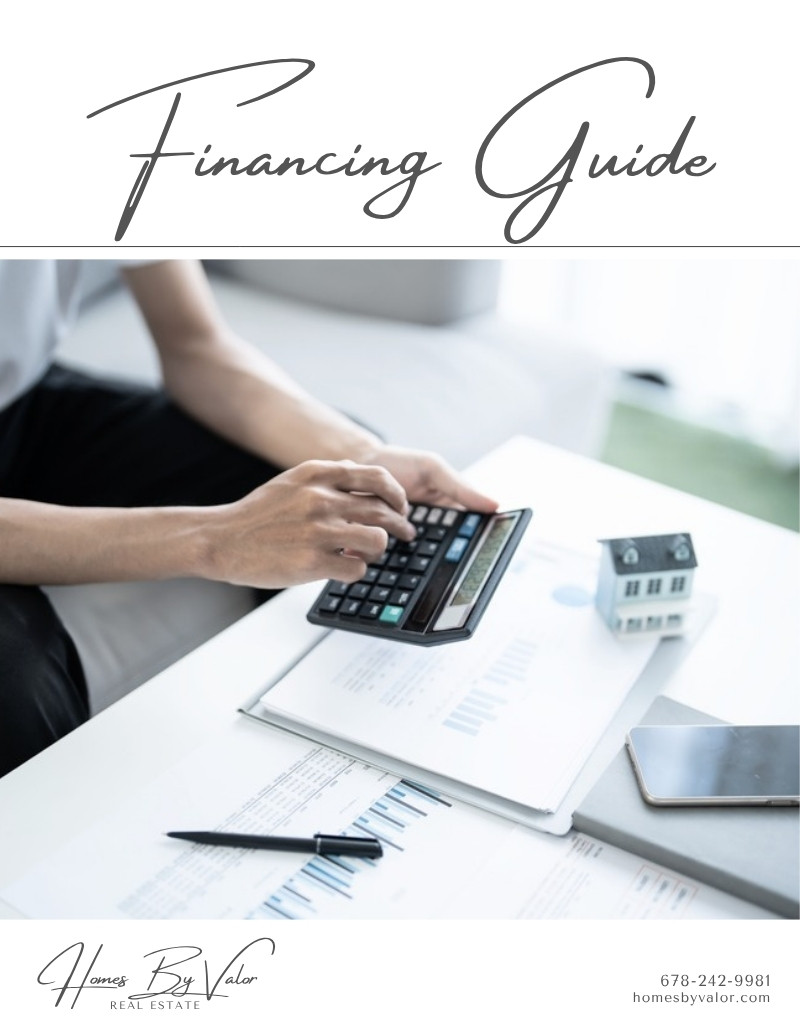
Mortgages, made simple: the four main loan types side by side and the costs to plan for before closing.
If financing is the part of buying that makes you most nervous, you're in good company. This guide is a short, plain-language look at the main loan types and the costs you can expect along the way, so you can walk into your first lender conversation knowing what to ask.
It's especially helpful for first-time buyers, and it's a good refresher if it's been a while since your last purchase.
The four loan types most buyers use
- Conventional loans offer low down payment options, including smaller down payments for some first-time buyers. Private mortgage insurance can usually come off once you reach 20% equity.
- FHA loans have a low down payment and more flexible credit guidelines, with waiting periods if you've had a bankruptcy or foreclosure.
- USDA loans require no down payment, but they're only available for homes in eligible rural areas.
- VA loans require no down payment and are available to eligible veterans and service members.
Every program has its own credit score and down payment requirements, and those can change and vary by lender. So ask your lender which programs you qualify for and what each would look like for you.
Costs to plan for besides the down payment
The down payment gets most of the attention, but it's not the only cash you'll need. The guide walks through:
- The home inspection, which varies with the home's size, age and location
- The appraisal, which costs more if you need it rushed
- Earnest money, which is due shortly after your contract becomes binding
- Your down payment, which depends on your loan type and the cash you have on hand
- Closing costs, which cover things like taxes, attorney fees and loan origination, and can sometimes be rolled into the loan or paid by the seller
- Your buyer's agent's compensation, if the seller isn't covering it
On that last one, agent compensation is negotiable and not set by law, and it can be negotiated into your contract. I go over all of this with buyers up front so nothing at the closing table is a surprise.
What to look for in a lender
The guide includes a few lenders my clients have worked with, along with what those clients said about them. The common thread is communication. The lenders people rave about keep them updated at every step of approval, explain the process clearly and check in right through closing day. When you're comparing lenders, pay attention to that as much as the numbers.
Common questions about home financing
Can I buy a home with no down payment?
Possibly. VA loans for eligible veterans and service members and USDA loans for homes in eligible rural areas both allow zero down. Your lender can tell you whether you qualify.
Do I need 20% down for a conventional loan?
No. Conventional loans offer lower down payment options, and some first-time buyers can put down even less. With less than 20% down, you'll usually pay private mortgage insurance until you reach 20% equity.