Everything You Need to Know About Buying New Construction
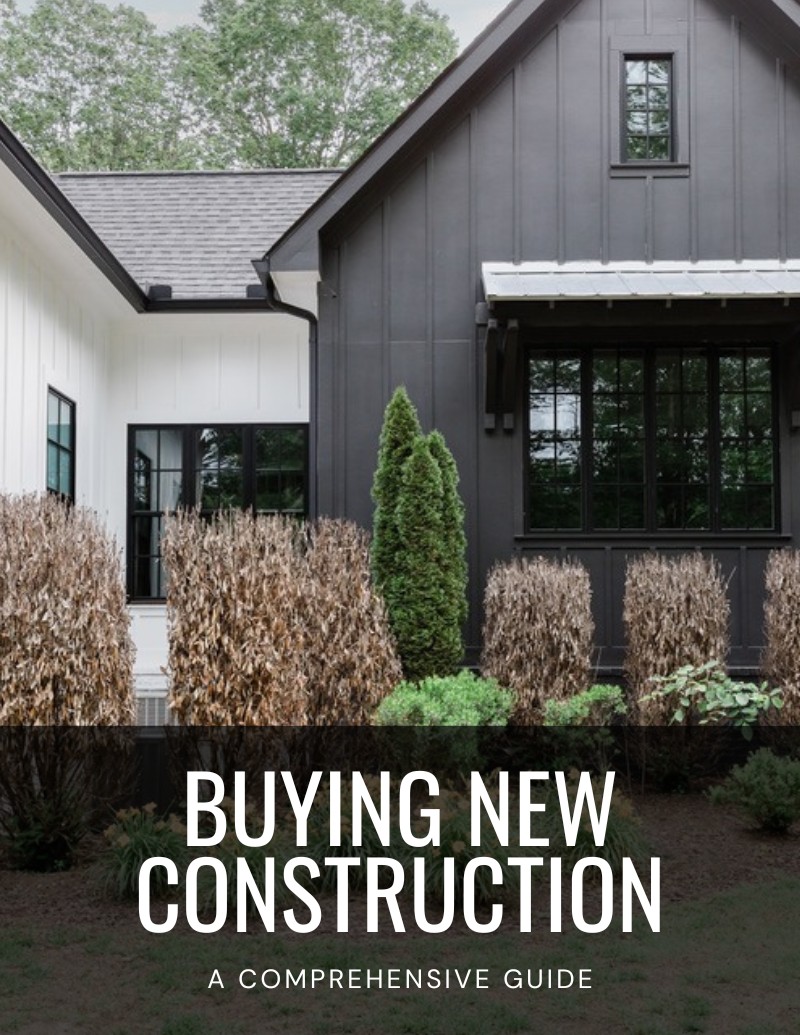
Buying new build? Protect yourself and get the most from your builder.
Buying a brand-new home from a builder works differently from buying a resale, from how the price is set to who's looking out for you along the way. This guide is for buyers touring new homes in a builder's community, or weighing new against existing, who want to know where the trade-offs and the traps are before signing anything. It covers the pros and cons, the questions to ask your builder, financing and what to do before closing.
The trade-offs of buying new
The upsides are real. Everything works, so your money can go toward furniture instead of repairs. Big-ticket items like the roof, HVAC and appliances are under warranty, you get current energy-efficiency standards, and depending on how far along the home is, you may get to pick finishes.
But there are a few things buyers don't always expect:
- The price usually isn't negotiable, unless you downgrade features or the builder offers lower pre-construction pricing
- Options outside the builder's standard selections can get expensive
- Landscaping in a new community takes a while to mature
- You'll be bound by deed restrictions and possibly an HOA, so know the rules before you buy
Spec, tract or custom
A spec home was built without a buyer lined up and is usually finished or close to it, so there's little room for changes. A tract home is part of a development by one builder and is often bought before it's done, so you may be able to make changes within the builder's options or for an upgrade fee. A custom home is built on land you own, with features you choose. Knowing which one you're buying tells you how much say you'll have.
The builder's lender, contract and warranty
Many builders have a preferred lender and offer closing cost discounts for using them. Ask whether you're required to use that lender and whether the builder owns the mortgage company. If it does, it's smart to have an attorney review your contracts as an independent set of eyes. If you aren't required to use their lender, shop around. Either way, you'll need a pre-approval, or proof of funds if you're paying cash.
Builder contracts look like regular sales contracts but add building-specific terms, like when payments are due and which finishes you can choose. Your agent can help you understand those terms before you sign. And ask exactly what the builder's warranty covers and for how long. Major structural items and mechanical systems are usually covered, while appliances, weather damage and problems from skipped maintenance usually aren't.
Inspect it, even though it's new
An inspection on a brand-new home is optional, but I'd consider it. An inspector can catch something that slipped past the contractor and code enforcement. Before closing, you'll do an orientation walk with the builder and add anything that still needs attention to the punch list, like touch-up paint, cleaning or re-keying the locks.
Common questions about buying new construction
Can you negotiate the price on a new construction home?
Usually not the base price. Your best levers are downgrading features or catching lower pre-construction pricing.
Do I have to use the builder's preferred lender?
Not always, so ask. If it isn't required, compare other lenders to see who can give you the best financing.